
Municipal Court Warrants in DeKalb County
Municipal courts in DeKalb County handle city traffic cases, ordinance violations, and a set of misdemeanor matters. Miss a court date or ignore an order and the results can pile up fast: a bench warrant, a failure-to-appear process, added charges, or a DDS notice. What happens next depends on the court. DeKalb's public sources say "bench warrant" and "failure to appear," not capias. The city clerk holds the municipal case record, and the municipal judge controls the warrant itself. Service is a separate job. City police, DeKalb County Police, a city marshal, or the Sheriff may carry it out, depending on the city and the process. That split is exactly why a county case search or inmate lookup cannot certify that no city warrant exists.
DeKalb Municipal Warrants Stay With Cities
Take a city citation to the municipal court named on it first. County felony files sit with the Superior Court clerk. State Court covers county misdemeanor and traffic matters, and Magistrate Court handles criminal warrant applications and first appearances. The Sheriff's Warrants Unit can field execution questions in DeKalb County, but it cannot replace the city clerk.
Key Point: “Not found” in a DeKalb County portal does not clear a municipal warrant because each city maintains its own case and FTA process.
Juvenile matters stay restricted, so they never appear on a public municipal roster in DeKalb County. Georgia's GCIC system serves authorized criminal-justice users only, not the public, and it is not a statewide warrant lookup.
Which Cities Have Municipal Courts
DeKalb County's official map names thirteen cities with courts: Atlanta, Avondale Estates, Brookhaven, Chamblee, Clarkston, Decatur, Doraville, Dunwoody, Lithonia, Pine Lake, Stonecrest, Stone Mountain, and Tucker. Five of the largest have confirmed public municipal-court pathways. Check any other listed city with its court directly.
| City | Municipal court | Warrant-related matters | Phone |
|---|---|---|---|
| Atlanta | Atlanta Municipal Court | Traffic, DUI, ordinances, selected misdemeanors, FTA | 404-954-7914 |
| Stonecrest | Stonecrest Municipal Court | Traffic, ordinances, misdemeanors, warrant processing | 770-224-0210 |
| Brookhaven | Brookhaven Municipal Court | Traffic, ordinances, selected misdemeanors, bench warrants | 404-637-0660 |
| Dunwoody | Dunwoody Municipal Court | State-law and local violations, missed dates | 678-382-6973 |
| Tucker | Tucker Municipal Court | Traffic, misdemeanors, FTA, city warrant fees | 678-597-9040 |
Stonecrest Municipal Warrant Payment Plans
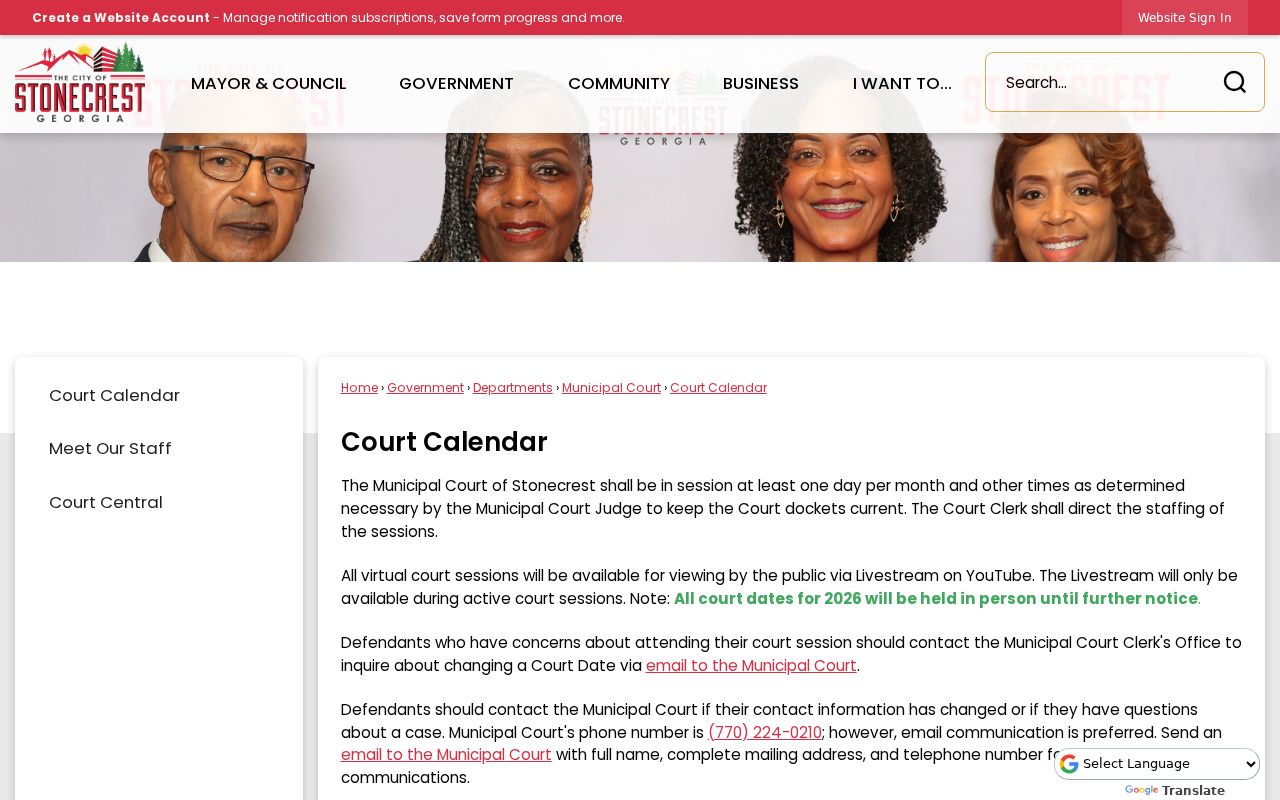
Stonecrest Municipal Court sits inside City Hall at 3120 Stonecrest Boulevard, Suite 190. The clerk keeps the records and processes warrants, sentences, and fines. Its Virtual Court page describes Government Window payment arrangements and a way to request an outstanding-warrant payment plan. The calendar tells anyone who missed court to request a new date and show up. The official Stonecrest Municipal Court page lays out the court's jurisdiction and the clerk's role.
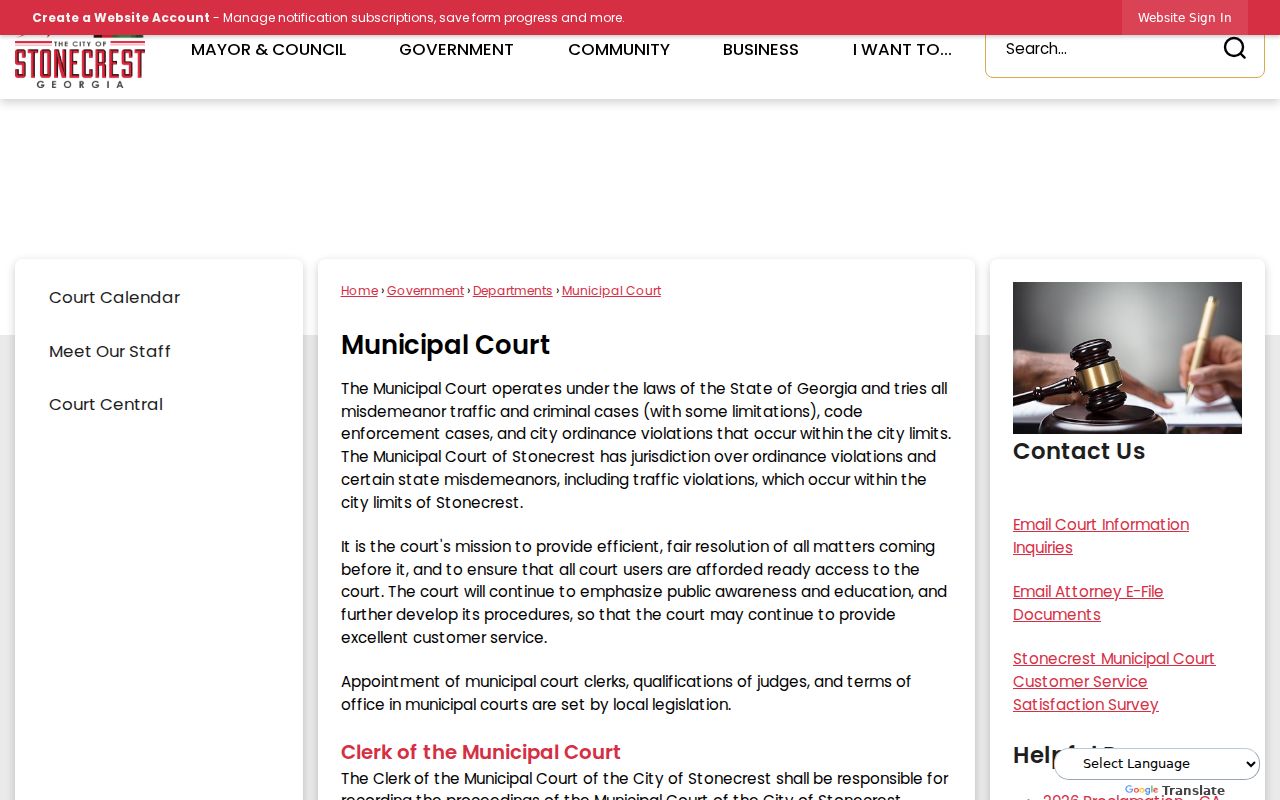
Stonecrest relies on DeKalb County Police for policing while its municipal clerk controls the city record. That pairing differs from a DeKalb city with its own department or marshal.
How to Check a Municipal Court Warrant
Start by pulling together the citation or case number, the city, the date, and whatever identifying details the court requires. Stick to official links. A portal can find a case yet leave out the warrant field, so follow up with the clerk in a DeKalb County court whenever the status is unclear.
- Read the citation and identify the city municipal court rather than assuming it belongs to DeKalb State Court.
- Use the city’s official case, citation, FTA, or payment page with the case number and requested identifiers.
- Call the municipal clerk and ask whether the current file shows a bench warrant, reset, recall, or required appearance.
- Ask the police or marshal only about its service role, and use the Sheriff’s Warrants Unit for county routing when directed.
- Appear in person only after confirming the address, session, identification, security, and payment instructions.
An Open Records Act request can obtain a releasable agency document in DeKalb County, but the issuing clerk should still confirm whether the process remains active.
Brookhaven Municipal Warrants Have a Walk-In Limit
Brookhaven Municipal Court shares the Public Safety Building at 1793 Briarwood Road with Brookhaven Police, a DeKalb County city. Citations can take three business days to post. The court warns that an FTA can bring license suspension and/or a bench warrant, and advance reset requests must follow the published form and deadline. Effective September 1, 2026, Brookhaven lists an unscheduled FTA walk-in session on the third Wednesday of each month at 3:30 p.m., capped at 25 people. The official attendance page carries the current rule.
Arrive as instructed and call 404-637-0660 before counting on a dated session. This is a Brookhaven option, not a countywide safe-surrender program in DeKalb County.
What a Municipal Court Warrant Shows
Every municipal system shows a different slice of the case. Treat the fields here as a verification checklist, not a promise that each DeKalb County city portal displays them all. A clerk may need to confirm the warrant order and any later recall.
| Case or citation number | The city identifier, such as municipal case number, used to locate the file. |
|---|---|
| Municipal court | The issuing city and clerk responsible for the case. |
| Violation | Traffic, ordinance, or selected misdemeanor category. |
| FTA event | The missed date or duty that led to court action. |
| Warrant status | Active, served, recalled, cleared, or another city-defined term. |
| Fine, fee, or bond | Any amount published for the specific case and remedy. |
| Next setting | A reset, hearing, walk-in session, or court-directed appearance. |
DeKalb Municipal Warrant Service Models Differ
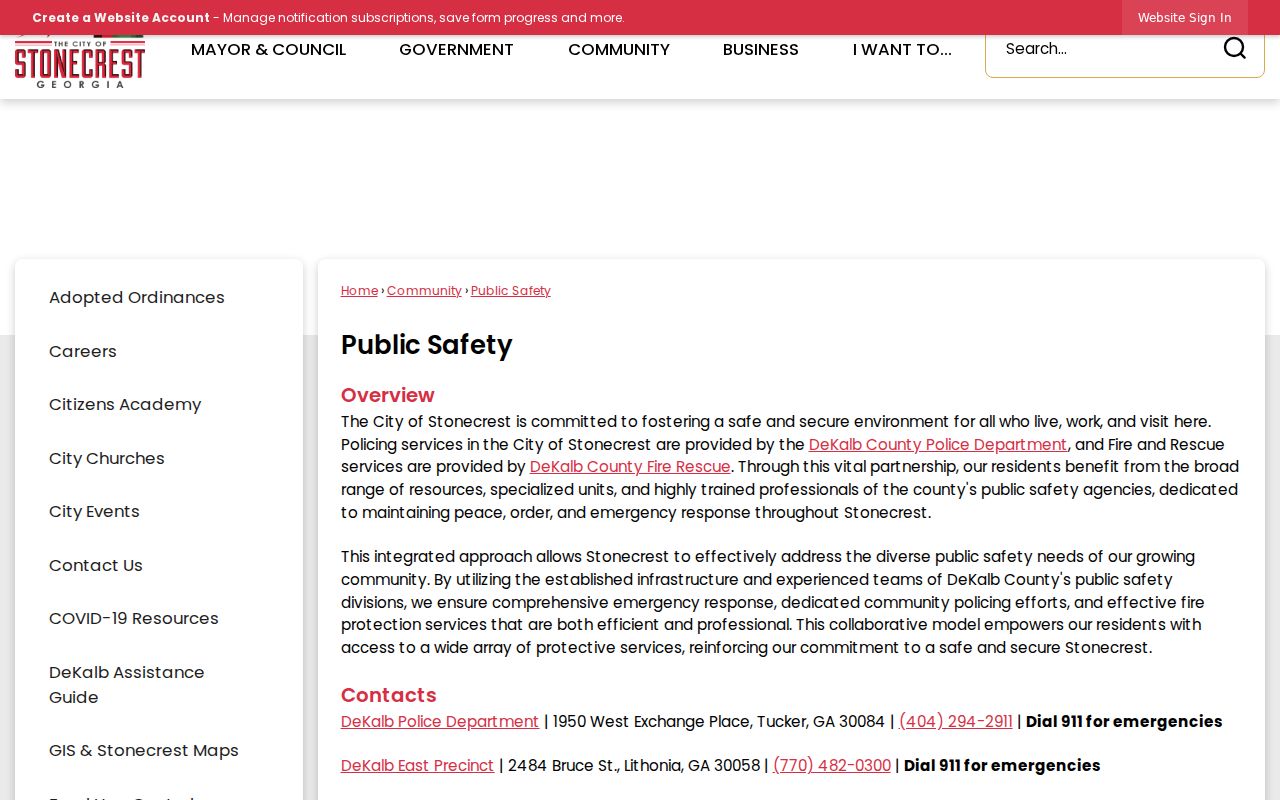
Tucker gives the clearest marshal example in DeKalb County. Its marshals serve arrest warrants and subpoenas, transport prisoners, and secure the Municipal Court with DeKalb Police. Stonecrest instead leans on DeKalb County Police for policing while its clerk processes city warrants. Brookhaven and Dunwoody keep their own police. The Stonecrest public-safety page confirms the county-police arrangement.
None of these service models shifts who controls the legal record. In any DeKalb County city, the municipal judge and clerk still run the case process, and the serving agency only handles execution within its own authority.
Resolving a Municipal Court Warrant
Call the issuing clerk before you pay or appear. Atlanta uses an FTA reset process and says arrest risk lasts until a judge clears the warrant. Stonecrest may consider an outstanding-warrant payment plan. Brookhaven has advance-reset rules plus a limited walk-in session. Dunwoody requires in-person handling for missed-court payments, and Tucker bars online payment after a missed date anywhere in DeKalb County's city courts.
- Confirm the city, case number, warrant status, required amount, and whether counsel or bond is needed.
- Request the court-approved reset, appearance, payment plan, hearing, or surrender route.
- Complete the underlying citation or ordinance step rather than paying an unrelated county office.
- Keep the receipt, order, certified disposition, or reset notice issued by the city court.
- Ask the clerk to verify recall and any DDS release in the official system.
Warning: A municipal warrant stays active until the issuing court recalls or resolves it; payment alone may not complete that legal step.
DeKalb Municipal Warrant Amnesty Is Temporary
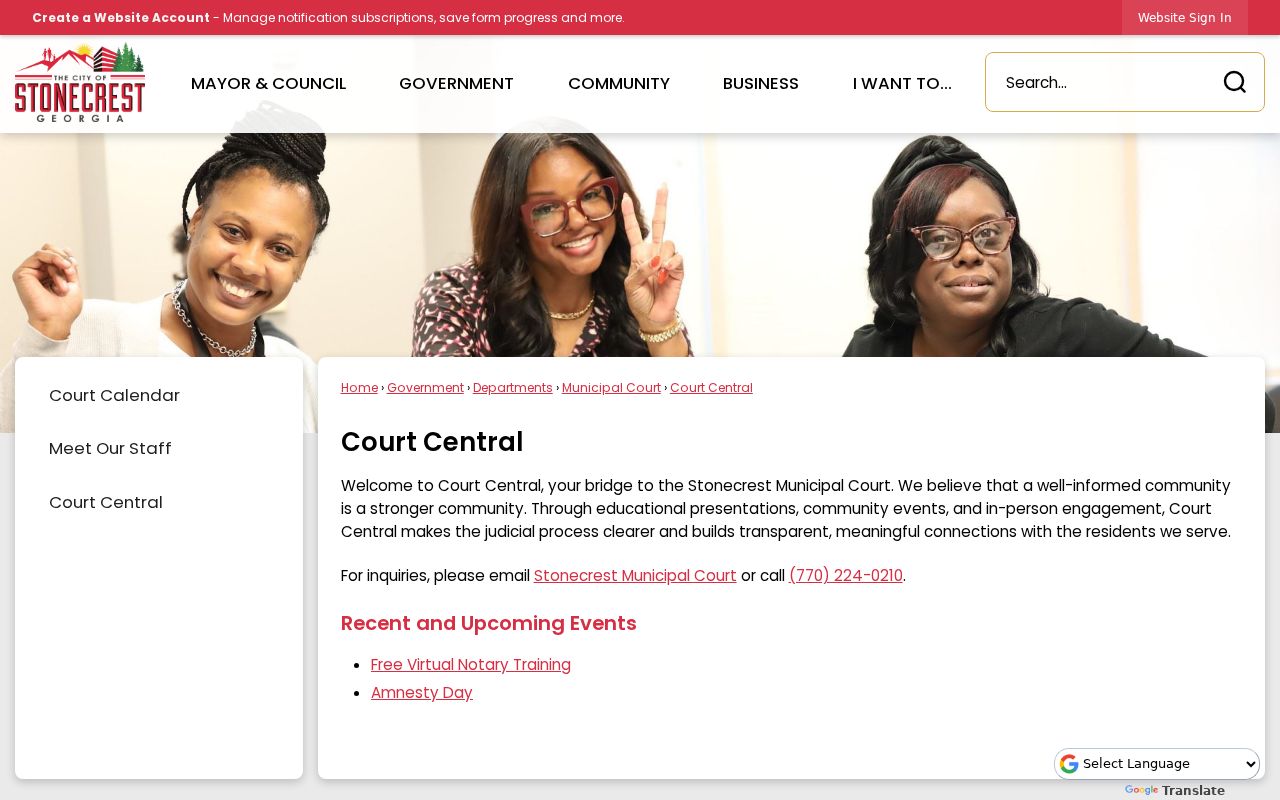
Amnesty windows in DeKalb County come and go. Atlanta ran one from March 17 through April 21, 2025, but it covered only traffic-related FTA arrest warrants and left out code and other offenses. Stonecrest signals an Amnesty Day on its Court Central page, though no date is posted there. Dunwoody's July 2022 program is history now. The official Stonecrest Court Central page is where its current program status lives, and no city here runs a standing countywide offer.
Before you act, call the DeKalb County court and confirm the amnesty dates for yourself. An old notice waives nothing. It cannot cancel a warrant, erase a fee, or promise you a new court date. Session dates, fees, hours, and portals shift often, so trust the city's live page and the clerk's own answer before you drive anywhere or pay a dollar. The details above reflect September 8, 2026.