
Arrest Warrants in DeKalb County
An arrest warrant lets law enforcement take a person into custody once a judge or magistrate makes the required finding. In DeKalb County, the record and the service are separate jobs. The issuing court and its clerk control the case file. The DeKalb County Sheriff's Office or the DeKalb County Police Department may then execute it. Another authorized agency can act too. DeKalb County posts no complete public arrest-warrant roster. So start by naming the likely court. Superior Court of DeKalb County handles felonies, State Court takes misdemeanors, traffic, and DUI matters, and Magistrate Court documents civilian warrant applications and first appearances. Municipal courts control their own city cases.
DeKalb County Civilian Warrant Applications
The Magistrate Court civilian application process under O.C.G.A. §17-4-40 is the clearest public account of local issuance. The applicant appears at 3630 Camp Circle. Bring current photo identification. You must give specific facts about an alleged DeKalb County crime: what occurred, where and when it happened, accurate identifying details, and a current residence. The fee is $20. A domestic-violence or specified-offense waiver, or a judicial waiver, can lift it. The applicant alone answers for those facts. Clerk staff cannot investigate or advise. Judges review applications on weekdays other than holidays, from 9 a.m. to noon and 1 to 5 p.m. A judge may question the applicant under oath, decide whether the information supports a hearing, and weigh probable cause. The form is no public name-search tool, and it is not a place to publish an untested accusation in DeKalb County.
What a DeKalb County Arrest Warrant Contains
DeKalb County publishes no single arrest-warrant layout. Fields differ by issuing court. A docket, a warrant return, a clerk response, and a jail record may each show a different slice of the matter, so read each source and its update date along with every field.
| Case or warrant number | A court case identifier and, when assigned, a separate process number. No universal local format was published. |
|---|---|
| Named subject | The person identified by the court process; private identifiers should not be republished. |
| Charge or statute | The alleged offense description and code reference, not a finding of guilt. |
| Issuing court | Superior, State, Magistrate, or a named municipal court and division. |
| Issue date | The date process was signed or entered, which may differ from a portal posting date. |
| Bond or release | An amount, type, condition, or “not set” notation when included. |
| Service and status | Possible served, returned, recalled, quashed, or other entry if released by the custodian. |
One caution for DeKalb County readers. A Uniform Traffic Citation carries driver, citation, court, and FTA/DDS fields, yet it is a different document and a poor sample of a general criminal arrest warrant.
DeKalb County Arrest Warrant Application Is Not Issuance
Handing in facts at DeKalb Magistrate Court starts a court process. It does not mean an arrest warrant exists. Weak information may mean no hearing is scheduled at all. When a hearing is set, notice requirements apply, the applicant carries the probable-cause burden, the respondent may stay silent and cross-examine witnesses, and counsel may appear. Only the judge decides whether probable cause supports issuance. Georgia HB1131, enacted as Act 482, took effect July 1, 2026. The Legislature's own material says it amended warrant-application provisions to provide personal service of the hearing notice, touching O.C.G.A. §§17-4-40, 17-4-41, and 17-6-15. The reach is narrow. It did not re-serve, cancel, or change every old DeKalb County warrant. The official Act 482 page is the Legislature's source for the reform and its effective date.
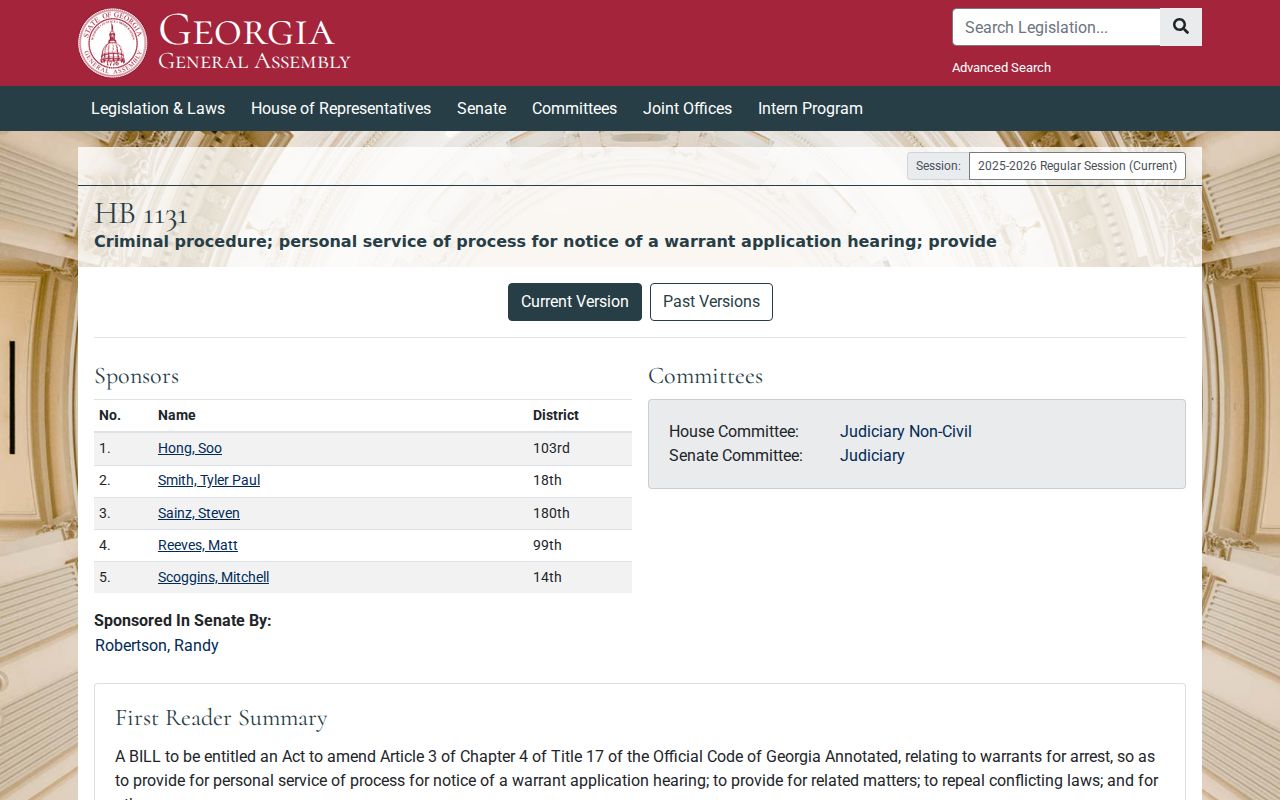
Anyone involved in a civilian application should confirm the current notice procedure directly with DeKalb County's Magistrate Court.
How DeKalb County Arrest Warrants Are Served
The Georgia Constitution names the Sheriff as the county's chief law-enforcement officer, with responsibility for housing and execution of criminal arrest warrants. The Sheriff's public-services page adds detail. Both the Sheriff's Office and the DeKalb County Police Department execute arrest warrants. City police may act within their authority as well. Operational details stay out of the public record. Execution leads to custody and booking, followed by the next required court process in DeKalb County. A first appearance can include advice about charges and rights, plus a bond or release decision when permitted. That step is not a trial. Release on bond does not dismiss the case or erase the arrest-warrant history. Call the Sheriff Warrants Unit at 404-298-8200. The Fugitive Unit is 404-298-8402. That line is no public name-search portal. Court Services sits at Room B110, 556 N. McDonough, and answers at 404-371-2570 for DeKalb County court matters.
Sheriff and Police Roles in DeKalb County
DeKalb County layers governments on top of each other, so the agency at your door tells you little about the court behind the paper. The Sheriff can hold and execute county criminal process. County police execute warrants too. City police act on municipal matters, and in Tucker the City Marshals serve arrest warrants and subpoenas alongside DeKalb Police. None of that moves the file. The legal record stays with the court that issued the warrant. So route your records question by court name, division, case number, and issue date, and save law enforcement questions for execution, custody, or surrender logistics. An inmate lookup only shows present or past custody in DeKalb County; it cannot certify that an unserved arrest warrant exists or not. Georgia's GCIC/CJIS systems serve authorized justice users, not the public as a statewide name search.
Arrest Warrant vs Summons vs Bench Warrant
All three forms can come out of criminal or court proceedings in DeKalb County, yet each directs different conduct. A summons orders you to appear. A warrant authorizes arrest. Don't collapse them into one label, and remember that a summons proves nothing about an arrest warrant having issued.
| Feature | Arrest Warrant | Summons or Citation | Bench Warrant |
|---|---|---|---|
| What it directs | Law enforcement may take the named person into custody | The recipient must respond or appear as instructed | Custody may follow a missed court obligation |
| Typical basis | Required judicial finding tied to an alleged offense | A charge or citation handled without immediate custody | Failure to appear or comply in an existing matter |
| Main record route | Issuing court, case clerk, and serving agency | The court named on the paper | The judge and clerk administering the pending case |
| Response | Confirm, seek counsel, and arrange the required process | Appear, answer, or pay only when eligible | Ask about reset, recall, appearance, payment, or bond |
Missed a court date in DeKalb County? The companion DeKalb County bench warrant record shows why that case must return to its issuing court.
DeKalb County Arrest Warrant Records Without a Portal
A portal can confirm a case exists yet still hide its warrant status. The authoritative record may sit in a signed order, a warrant return, a clerk file, or a law-enforcement record instead. In DeKalb County, Superior felony files belong to the Clerk of Superior Court of DeKalb County. State misdemeanor, traffic, and Magistrate records go to the State & Magistrate Courts Clerk's Office. A municipal matter stays with its own city clerk. Once you know the custodian, the Georgia Open Records Act, O.C.G.A. §50-18-70 et seq., gives you a request route. Name the record and date range. Ask for segregable non-exempt portions and a cost estimate. Agencies generally must respond within three business days. They don't have to build a new report, though, and may cite an exemption or a production schedule. The state open-records page lays out that access framework.
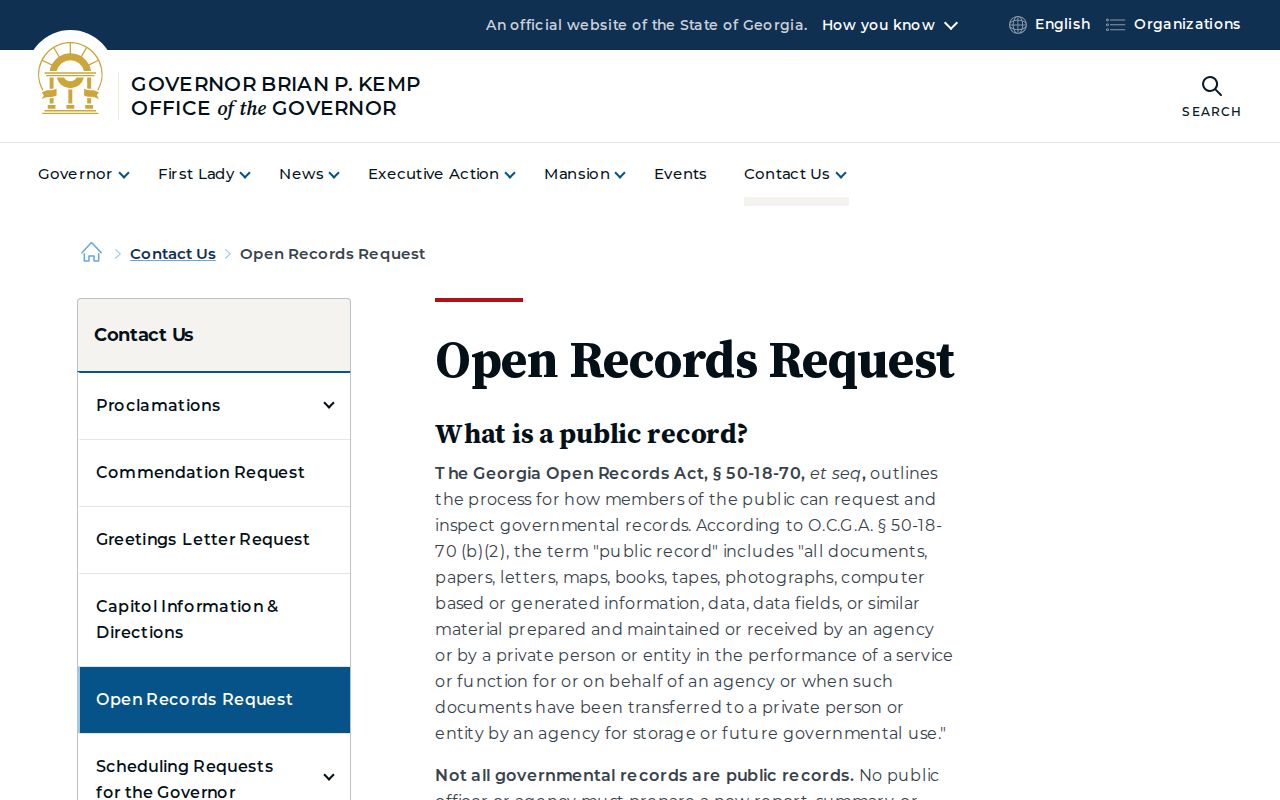
Expect limits on what comes back in DeKalb County. Sealed matters, active-investigation material, protected personal data, and juvenile records may be withheld or redacted, so a public response is not a universal clearance.
What to Do If There's a Warrant for You
Don't lean on a rumor, a commercial search, a citation payment screen, or an empty inmate lookup. Find the issuing court. Confirm the record through its clerk. Then talk with a lawyer about the safest next step, whether that's a scheduled walk-in surrender, a bond arrangement, a court appearance, or a motion to recall or quash. Court staff in DeKalb County can explain procedure, but they cannot give legal advice.
- Collect the court name, division, case number, and any notice already received.
- Ask the issuing clerk whether the warrant remains current and what proof is available.
- Contact counsel before making a surrender or bond plan.
- Call the Sheriff channel when custody or county execution logistics must be arranged.
- Keep the later court order, bond record, or recall proof and verify that status systems update.
The Sheriff's Bonding Office sits at the DeKalb Jail, 4425 Memorial Drive, Decatur, listed as open daily from 7 a.m. through 11:59 p.m. The court, not the bond office, sets the amount and conditions. Showing up to surrender never guarantees release.
Act before an encounter: a lawyer can help confirm the DeKalb County arrest warrant and plan surrender, bond, or a court motion.
DeKalb County Arrest Warrants and DDS Records Differ
A missed traffic matter in DeKalb County can cost you your license, but DDS status is not arrest-warrant status. Georgia DDS says a failure-to-appear suspension takes effect 28 calendar days after DDS receives notice. Resolve the court matter, and once the court sends a release, separate processing and payment may restore driving privileges. Even then, none of it proves a criminal arrest warrant was issued, served, or recalled. Check each record with its owner. The official DDS FTA page explains the notice and release path.
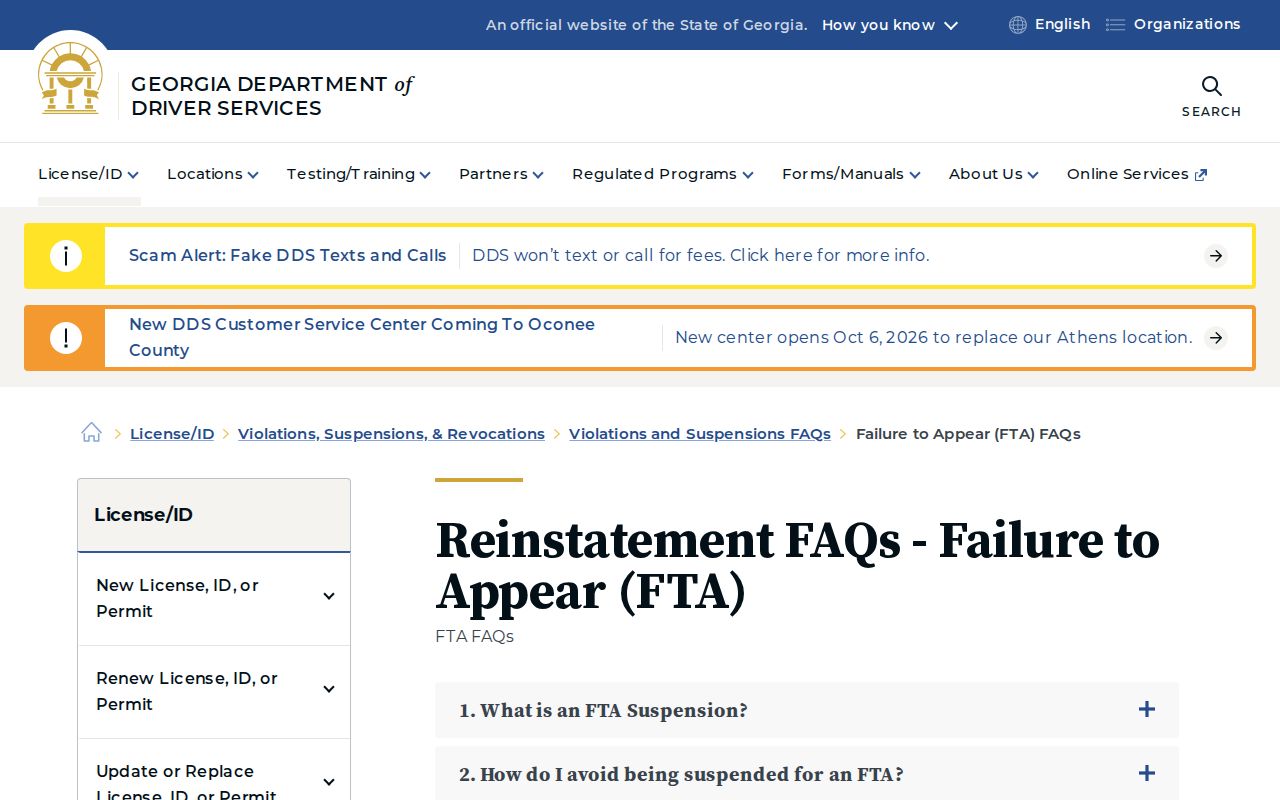
The practical lesson: verify each record with its owner. DDS answers driving-privilege questions. The issuing court answers judicial-process ones. The Sheriff or serving agency handles execution and custody in DeKalb County. Before acting, confirm current hours, fees, hearing rules, and warrant status with the responsible office.