
How to Check for a Warrant in Atlanta
For a city citation, ordinance matter, parking case, code case, traffic charge, or certain misdemeanors, go to Atlanta Municipal Court first. Its site links Find My Case, a Failed to Appear page, self-help forms, Community Court, and citation payment. Each tool does a different job. A payment screen is not a warrant roster. Before you search, gather the citation or case number, the date printed on the paper, and your own identifying details, since a case number from the citation is the strongest starting point. Atlanta's citywide court system is the first source for city process. If your papers name a DeKalb court instead, call that court directly. Never assume that an Atlanta address means an Atlanta Municipal Court case.
- Read the citation or notice and identify Atlanta Municipal Court as the issuing court.
- Use the official Find My Case route to locate the city case.
- Use the Failed to Appear route if a required date was missed.
- Call the court clerk when the live page does not settle current warrant status.
- Speak with counsel before surrender, bond, or a request to recall the warrant.
Atlanta Find My Case Warrant Route
The court's home page links a Benchmark-based Find My Case tool. It keeps case search separate from payment, forms, and failure-to-appear help, and that split matters. A docket can show the case while the judge's latest order controls whether a warrant stays active. Use the fields exactly as the portal displays them. Atlanta publishes no universal warrant-search format, so do not assume every case is findable by name or that every result shows warrant status. A case number beats a name search. If nothing appears, recheck the court name and the posting time. One unavailable city portal is not a reason to move an Atlanta matter to a county search. Instead, call Atlanta Municipal Court at 404-954-7914 and ask which official channel can confirm the record. Staff can point you to the right record.
The Atlanta Police Department and Municipal Court
Atlanta Municipal Court sits at 150 Garnett Street SW, Atlanta, Georgia 30303. Its docket covers criminal traffic and DUI, city ordinances, limited misdemeanors, parking, code enforcement, and school-bus camera cases. The main number is 404-954-7914. Atlanta Police keeps separate contacts. Its directory lists the Fugitive Unit at 404-546-4220, GCIC/Validations at 404-546-4844, Open Records at 404-546-7448, and the detention center at 404-865-8001. The Fugitive Unit is not a public name-search portal. Court staff handle city case process, while each police contact covers its own agency role.
Atlanta FTA Reset and Warrant Process
The Atlanta court FAQ describes failure-to-appear, reset, bond, payment, and warrant steps.
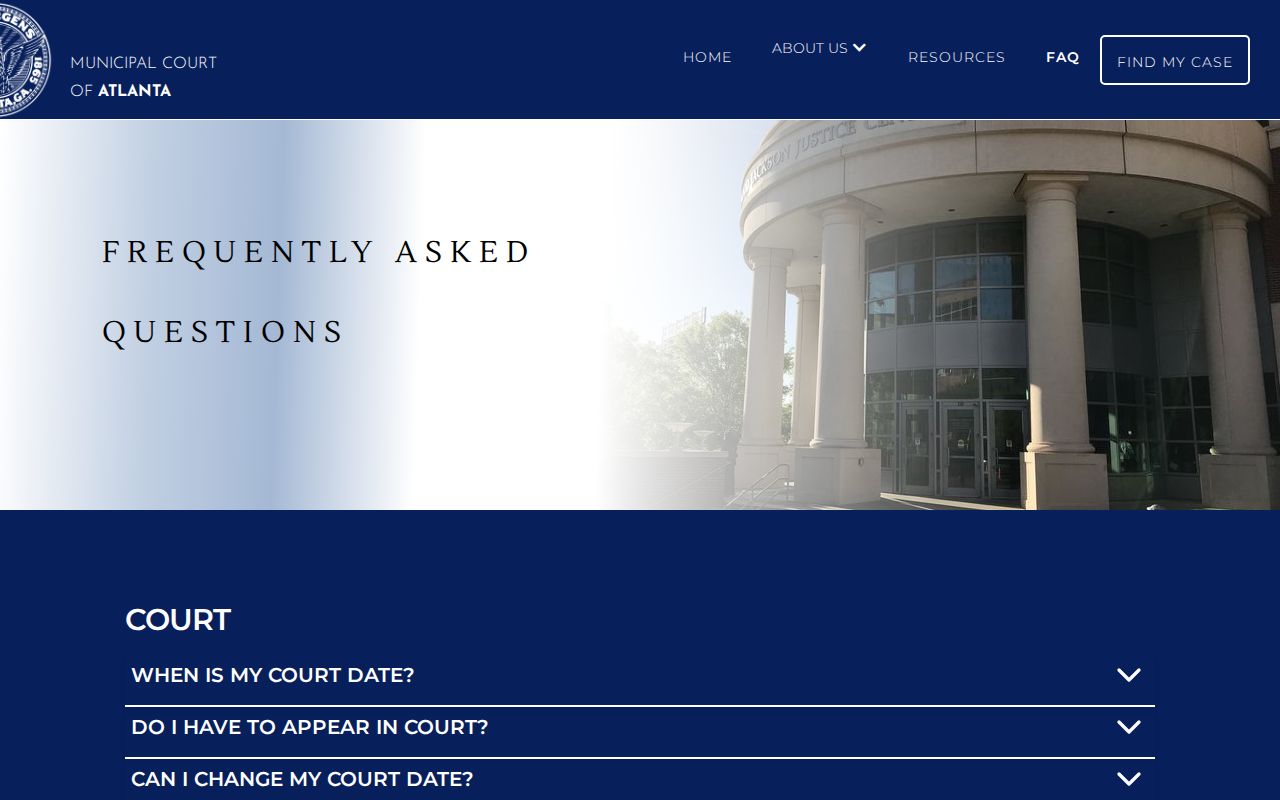
The court's own guidance makes one point plain: a missed date can create warrant consequences, and arrest risk continues until a judge clears the warrant. A reset request generally must be made at least ten days before arraignment. You can use the court form, mail, or an in-person route. Approval is always up to the court. Once a date has been missed, use the court's FTA process rather than walking up to an unrelated counter or paying through any open screen. Ask whether a judge must act. Ask whether bond is involved. Get the written disposition that proves the warrant was cleared.
Types of Atlanta Warrants
Atlanta warrants track the city court's broad local docket. What triggered the warrant, and in which court, decides the remedy. A summons or citation starts a duty to respond. It is not itself an executed warrant.
| Warrant Type | How It Arises | Who Issues It |
|---|---|---|
| Traffic FTA warrant | A required city traffic date is missed | Atlanta Municipal Court |
| Ordinance bench warrant | A city case or order is not addressed | Atlanta municipal judge |
| Code-related process | A city code matter reaches the court | Atlanta Municipal Court |
| Arrest warrant | A judge finds the required legal basis | The court with jurisdiction |
A bench warrant is process in an existing case. Atlanta's own wording controls whether the event is called FTA, warrant, reset, or bond forfeiture.
Atlanta Traffic Amnesty Was Limited
Atlanta's official 2025 amnesty ran from March 17 through April 21, 2025. It covered traffic-related FTA arrest warrants and offered special hearing sessions. Code and other non-traffic offenses were excluded. Those dates and that boundary matter. A historical release is not a standing promise. Older Atlanta material from 2015 described registration, possible written warrant cancellation, a DDS-912 release, and a certified disposition after final adjudication. That material explains the old workflow only. Its old Warrant Department contact should not replace the current court number. For any current relief program, check the live Atlanta Municipal Court site. An amnesty is not a pardon or automatic dismissal, and the court must confirm eligibility.
What an Atlanta Warrant Record Shows
Atlanta posts no single public warrant roster. A court case, citation screen, order, or clerk response may still show the fields below. Current court proof always controls over an old screen.
| Case or citation number | The city identifier, represented here only as ATL-CASE-ID. |
|---|---|
| Case category | Traffic, ordinance, parking, code, or selected misdemeanor. |
| Missed date | The arraignment or other required event that was not attended. |
| Warrant status | Whether court process is active, cleared, recalled, or served. |
| Bond or forfeiture | Terms that may follow a missed appearance in a bonded case. |
| Next action | A reset, hearing, payment, bond step, or judge review. |
Never enter private identifiers just because a portal asks for them. A payment confirmation is not the same as a recall order in Atlanta or anywhere else.
Atlanta Court Hours Can Change
Atlanta keeps its court home on a schedule that can shift. During the FIFA season the counters ran 7:15 a.m. to 4:30 p.m., from June 15 through July 15, 2026. That kind of temporary schedule replaces the normal hours, so check the live court page before you leave the house. A saved directory entry can be stale. Call ahead and confirm you have the right counter. Ask what identification, case papers, and access rules apply that day. Remember that a hearing date and a counter window keep different hours. When you reach staff in Atlanta, state the warrant question plainly: name the case, ask whether a warrant has issued, and ask what proof follows a reset or clearance. Staff can walk you through procedure, but they cannot give legal advice.
Where Atlanta Warrants Fit With DeKalb County
Atlanta spills past its county borders. The 2020 Census counted 498,715 residents citywide, and many of them live outside DeKalb. The official Census reference gives that citywide context.
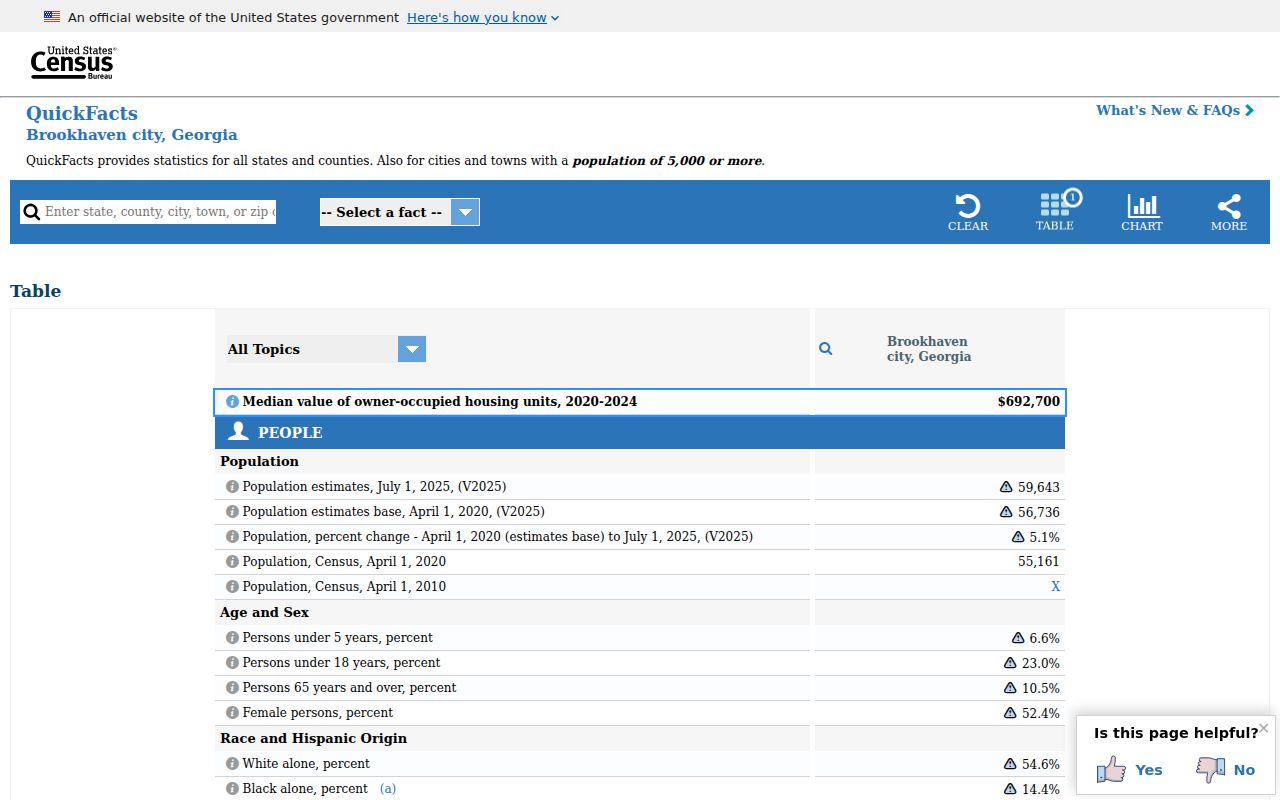
Population is all that figure measures. It says nothing about warrants. A city citation belongs to Atlanta Municipal Court first, while a DeKalb State, Magistrate, or Superior Court case follows the county route laid out at DeKalb County warrant records.
Warrant flow: Atlanta Municipal Court / Atlanta Police › proper county or custody agency › authorized state systems
Atlanta Citation Payment Is Not Warrant Proof
Atlanta routes citation payment through nCourt. Paying there does not establish that no warrant issued, though. Eligibility depends on the charge, the case stage, and any judge's order. A missed date can still require the FTA process even when a payment link is visible elsewhere.
Verify first: Ask Atlanta Municipal Court whether payment resolves the case and whether a judge must separately clear an active warrant.
Keep the receipt. Then ask the court for written confirmation of the disposition, reset, warrant cancellation, or DDS release, whichever applies. If bond was involved, ask about forfeiture and re-arrest consequences too. Atlanta's own FAQ warns that risk can remain until a judge clears the case.
Atlanta Warrant and Citation Differences
A citation or summons just orders a response. A bench warrant is judicial process that may follow a missed date or a disobeyed order. An arrest warrant rests on the legally required judicial finding. A DDS action touches driving privilege only and proves nothing about warrant status.
- FTA
- Failure to appear at a required Atlanta court event.
- Reset
- A court-approved change to the required date.
- Recall
- The court withdraws an issued warrant.
- Bond forfeiture
- A consequence tied to a missed appearance in a bonded case, not the same as warrant issuance.
Use the exact term the Atlanta court put on the record. Skip "capias" unless the court itself used it, since that is not the confirmed local public term.
Atlanta Warrant Checks Need Court Proof
A clear answer names the court, the case number, the status, and the date checked. If Atlanta Municipal Court confirms a recall, ask for a signed order, certified disposition, or clerk entry. Keep it with the citation and payment papers. Portals lag behind a judge's action. A receipt alone may not show that police systems received the change. If Atlanta does not own the matter, ask which court does. The city crosses county lines, so the court printed on the paper is a stronger clue than a home address. Use that court's clerk and its current official channel rather than repeating a city search that cannot reach the file.
Public Access to Atlanta Warrant Records
The Georgia Open Records Act, O.C.G.A. §50-18-70 et seq., governs Atlanta agency records. Court files are different. Access there depends on court rules and the nature of the file, and sealed, juvenile, victim, witness, investigative, and other protected material may be withheld or redacted.
Key Rules:
Georgia Open Records Act, O.C.G.A. §50-18-70 et seq. supports access to releasable city records but does not require a new report.
Georgia open-government guidance explains response timing, estimates, costs, and exemption notices.
Restricted juvenile and sealed Atlanta warrant records are not made public through an adult case search.
Ask Atlanta Police Open Records for police-held material. Ask Atlanta Municipal Court for the court file. A blank public result is not universal clearance.