
The DeKalb County Most Wanted Program
The DeKalb County Sheriff's Office posts no most-wanted page, name-search tool, or downloadable warrant roster. What it does publish covers the office, the jail, bond, open records, the Warrants Unit, the Fugitive Unit, and Court Services. Each channel has its own job. None of them carries an official most-wanted label, and none should be mistaken for one. A real most-wanted program, where a county runs one, is curated public-safety communication. The agency picks a few high-priority cases so residents can pass along location tips to law enforcement. That is its whole purpose. It is not a county-wide warrant index, and it cannot replace the issuing court's own record. Should DeKalb County ever launch such a feature, trust the live agency page alone, since names drop off after arrest, surrender, or recall, and only the official site will reflect that in time.
DeKalb Has No Confirmed Sheriff Roster
No roster here means exactly that: the DeKalb County Sheriff publishes no public most-wanted list. It does not mean outstanding warrants are absent. It only means there is no official page to check. A private site, an inmate lookup, an old social post, or a search ad cannot fill the gap, and none of them counts as official.
Key Point: Check the official DeKalb Sheriff site for a later announcement, and never rely on a copied roster whose update date and source cannot be verified.
For your own warrant status in DeKalb County, call the Sheriff's Warrants Unit at 404-298-8200 or the court that holds the case. The Fugitive Unit at 404-298-8402 is an agency contact too. Neither line is a public roster.
How the Lists Work
When a DeKalb County agency does feature cases, it picks them by public-safety priority, not by completeness. A person leaves the list after arrest, surrender, or recall of the warrant, yet the posting can lag behind those events. Someone new can appear between your visits. So read any official page with its update date, disclaimer, agency name, and tip instructions in plain view. A featured entry might carry a name, a photo, an alleged offense, the agency, and where to send a tip. Those details live on the official source only. A mirror copy in DeKalb County or anywhere else can go stale and keep showing a person whose legal status has long since changed, which is why this page does not reproduce entries.
Note: A featured list is a changing snapshot; absence does not prove no warrant exists, and inclusion still requires direct status confirmation.
DeKalb Police Tip411 Is Not a Search
DeKalb County Police runs an anonymous Tip411 channel for crime and public-safety tips. That is all it is. It is not a warrant lookup, an identity check, or an emergency line, and a similar name on some unofficial site is never a reason to send a tip about a person. Check that the source is official first. Then report only what you personally know. The Atlanta Municipal Court site shows how city case records, failure-to-appear handling, forms, and payment routes stay separate from any most-wanted program.
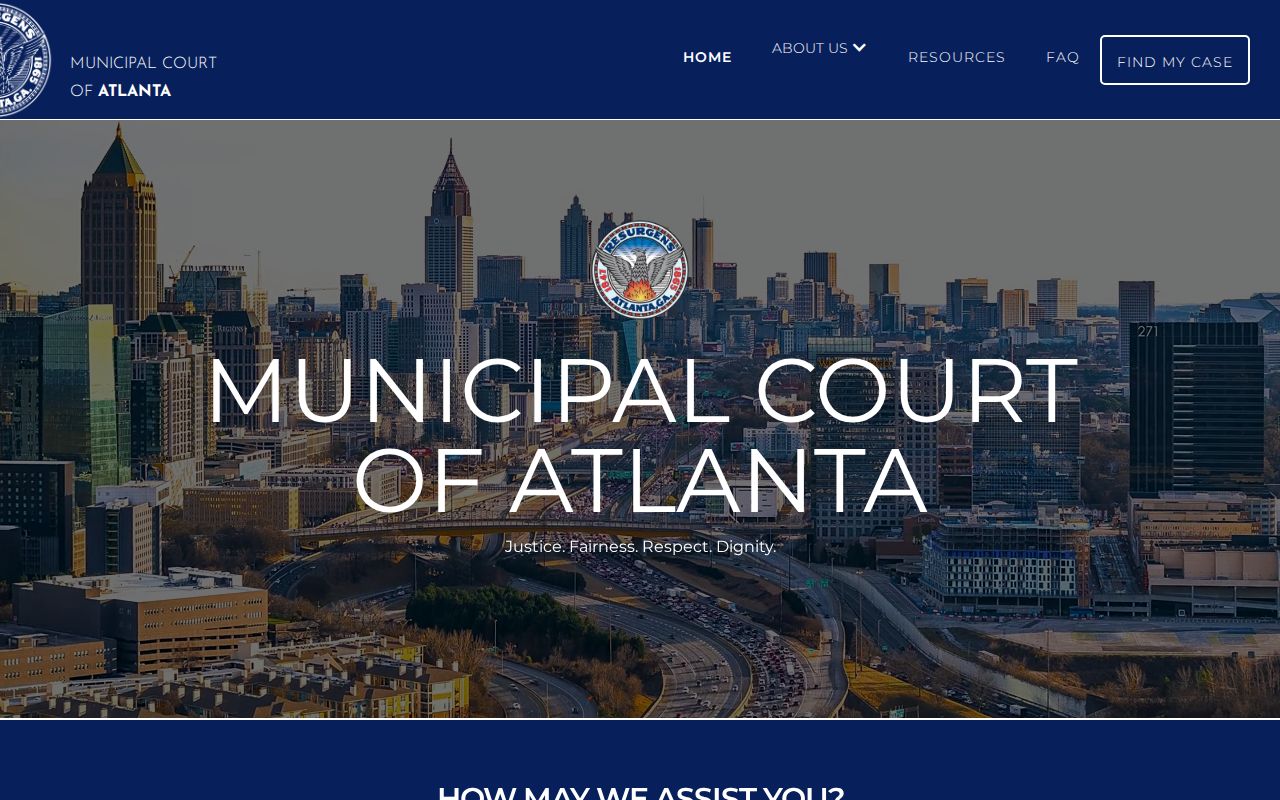
Atlanta sits partly inside DeKalb County, but its Municipal Court runs its own citations and warrants. A city court screen is not a county Sheriff roster. It is not a tip service either.
How to Report a Tip Safely
For a non-emergency anonymous tip in DeKalb County, use the official DeKalb Police Tip411 channel. Call 911 if events are immediate or dangerous. The strongest report gives a location, a time, a direction of travel, and a vehicle description, without guesswork or risk to the reporter.
- Confirm that the tip page or phone channel belongs to the named public agency.
- Report what you observed, including useful time and location detail, without adding rumor.
- Do not approach, follow, photograph at close range, detain, or alert the person.
- Keep any tip reference number and follow the official channel’s instructions.
Key Point: Send facts through the official anonymous channel, then step back and let trained officers decide whether and how to act.
DeKalb Warrant Service Changes by Court
Inside DeKalb County, warrant service splits by court. The DeKalb Sheriff and DeKalb County Police both execute criminal arrest warrants, while municipal practice adds other roles. Tucker's City Marshal, for instance, serves arrest warrants and subpoenas, transports prisoners, and guards municipal court security alongside DeKalb Police. Stonecrest keeps its own municipal court even though county police patrol the city. Figuring out which agency stands behind a notice starts with that division of labor, and the official Tucker City Marshal page documents the city-level service role in detail.
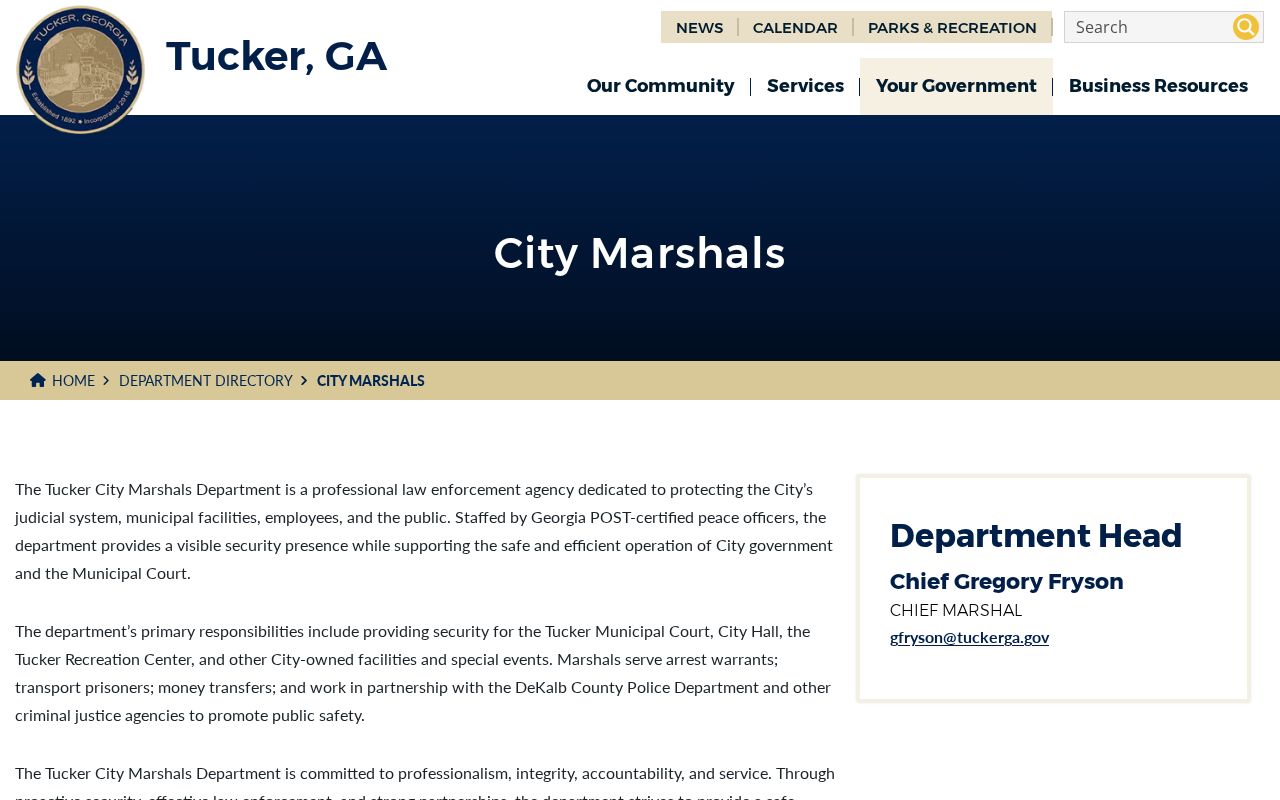
Not every DeKalb County warrant starts at a Sheriff page. The municipal court, city marshal, city police, county police, and Sheriff may each hold one piece. Knowing that saves dead-end searching.
Issuing court: the court that owns the case and controls the warrant order.
Serving agency: the authorized office that carries out the process.
Tip channel: a way to report observed facts, not to confirm warrant status.
Most Wanted vs an Active Warrant
The difference is scope. A most-wanted list spotlights a few chosen cases. An active warrant is any process the court still counts as unresolved or unserved. Most DeKalb County active warrants would never be featured anywhere, and no list can replace the issuing court's own status record.
| Feature | Most-wanted notice | Active warrant |
|---|---|---|
| Scope | Curated priority cases | Any outstanding process |
| Public source | Named agency program, if offered | Court, clerk, or law-enforcement record |
| Meaning | Selected for public communication | Treated as active by the source |
| How status changes | Agency updates its feature | Court recall, service, surrender, or other legal action |
| Verification | Live official program page | Originating court and serving agency |
An alleged offense remains an allegation.
DeKalb Amnesty Notices Have Limits
A few DeKalb County municipalities have offered short-lived relief programs, and none amounts to a standing most-wanted program. Atlanta's 2025 amnesty covered only traffic-related FTA arrest warrants and shut out other case types. Stonecrest's Court Central page flags an Amnesty Day without posting a date. Dunwoody's 2022 program is history now. The Tucker Municipal Court page shows the opposite, standing rule: after a missed court date, online payment is off, and the person must contact the court.
Tucker posts a $200 warrant fee and a $100 failure-to-appear fee. Other DeKalb County courts set their own terms. A past amnesty, or another city's payment rule, never assures a current warrant is cleared.
If You Believe You Are on a List
Do not count on a public list existing in DeKalb County. Pinpoint the likely issuing court. Gather your case number or citation. Then let a lawyer confirm the status. For a felony matter in DeKalb County, the Superior Court clerk is the records route, while State Court Division A or B handles misdemeanor and traffic cases within its jurisdiction. Magistrate Court and each municipal court run their own processes. A lawyer can ask whether a warrant is active, recalled, served, restricted, or tied to a bond issue, and can help arrange any needed appearance or voluntary surrender. Paying a fine online does not by itself recall a warrant. Get court confirmation of the outcome or next date.
Important: Do not approach an agency or another person based on a list alone; seek legal advice and confirm the warrant with the issuing court.
Verify DeKalb Most Wanted Information
Any DeKalb County most-wanted list deserves a hard look before you act on it. Check who publishes it. Check when it was refreshed. Note which cases it covers. Note the disclaimer it carries, too. Each tip link should stay on an official agency or named public-safety channel. Skip reposts that strip dates and context. Never pass around sensitive details about a person based only on an old image. For court records, the Clerk of Superior Court of DeKalb County holds Superior Court case files, and the State & Magistrate Courts Clerk's Office holds its courts' records. An Open Records Act request can seek a releasable agency document, but under O.C.G.A. §50-18-71(j) an agency need not create a new list. The Sheriff generally must respond within three business days. That response may offer an estimate, a schedule, a clarification request, or an exemption. The safe sequence is short. Use the official agency source. Report urgent danger to 911. Send non-emergency facts through Tip411, or use the court or the Warrants Unit to check your own DeKalb County warrant status. The DeKalb County active warrants explanation lays out the full court-by-court fallback chain.